 |
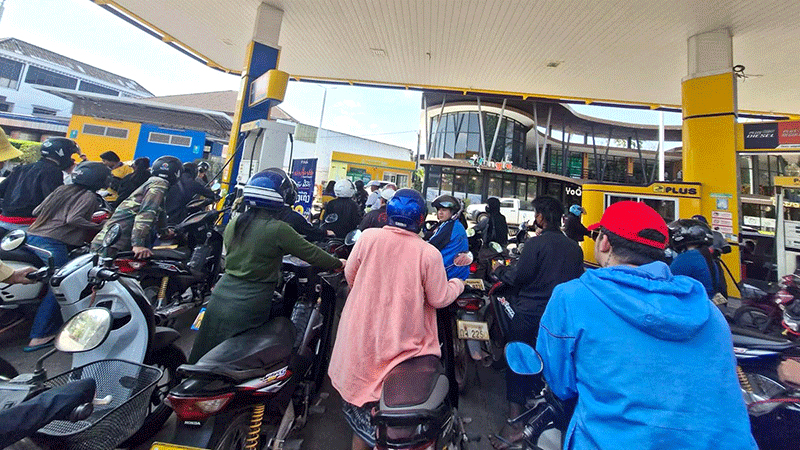
| Motorbike riders line up to refuel at a petrol station in Vientiane last month as fuel prices surge amid the global oil crisis. (File photo) |
Fuel crisis drives up inflation to 9.7 percent
Inflation in Laos rose to 9.7 percent in March, driven by the ongoing global oil crisis that has sharply increased fuel costs and pushed up living expenses nationwide.
The inflation rate is the highest in 11 months since May 2025, when it was recorded at 8.3 percent, according to the Bank of the Lao PDR
This figure also reflects a rapid rise from 6.2 percent in February and 5.1 percent in January, with the rate over the first quarter of this year averaging 7.0 percent.
The surge follows instability in the Middle East, which has disrupted global oil production and supply chains. Crude prices in international markets, including Brent and West Texas Intermediate, rose between 31 and 49 percent, while refined fuel prices in Singapore nearly doubled, with diesel surging by more than 161 percent, according to the Lao Statistics Bureau.
According to the Bureau’s report issued on March 28, these global pressures were quickly passed on to Laos. Fuel prices were adjusted seven times in March alone, reflecting fast-changing import costs. Diesel rose by 110.6 percent and regular petrol increased by 80.2 percent compared to end-February levels.
Higher energy costs drove broad-based price increases across the economy. Prices in the transportation and communications category rose by 18.1 percent, while those in housing, water and electricity increased by 17.2 percent. Miscellaneous goods recorded the highest increase at 39.8 percent, largely driven by the soaring price of gold.
Food services, healthcare and education also posted steady increases, adding to the overall cost-of-living pressure.
On a month-on-month basis, inflation rose by 3.2 percent in March. Fuel prices saw the sharpest increases, with some categories rising sharply. Airline ticket prices rose by 32.9 percent, while other transport costs increased by 29.4 percent. Fuel costs alone surged by 99.7 percent within the month.
Essential goods and services also became more expensive. The cost of medicine, building construction, and clothing all increased, reflecting rising input and transport costs.
Utilities recorded some of the steepest increases over the first quarter. The cost of electricity climbed by 115 percent, while water charges rose by 43.7 percent. Medical treatment fees and kindergarten tuition also increased, placing added pressure on household budgets.
The impact can be clearly seen in daily life. Long-distance sleeper bus fares rose from 370,000 kip to 500,000 kip, while domestic air tickets increased by about 300,000 kip per trip. The cost of bottled drinking water also rose in line with rising energy and transport costs.
Despite these pressures, the kip remained relatively stable against major currencies. The exchange rate held at around 21,400 kip to the US dollar and 680 kip to the Thai baht during the quarter, fluctuating only slightly.
This stability has helped cushion the impact on import prices and is seen as a key factor in preventing inflation from rising beyond the levels already driven by the global oil shock.
By Phonepaseuth Volakhoun
(Latest UpdateApril 3, 2026)
|

